

Germany
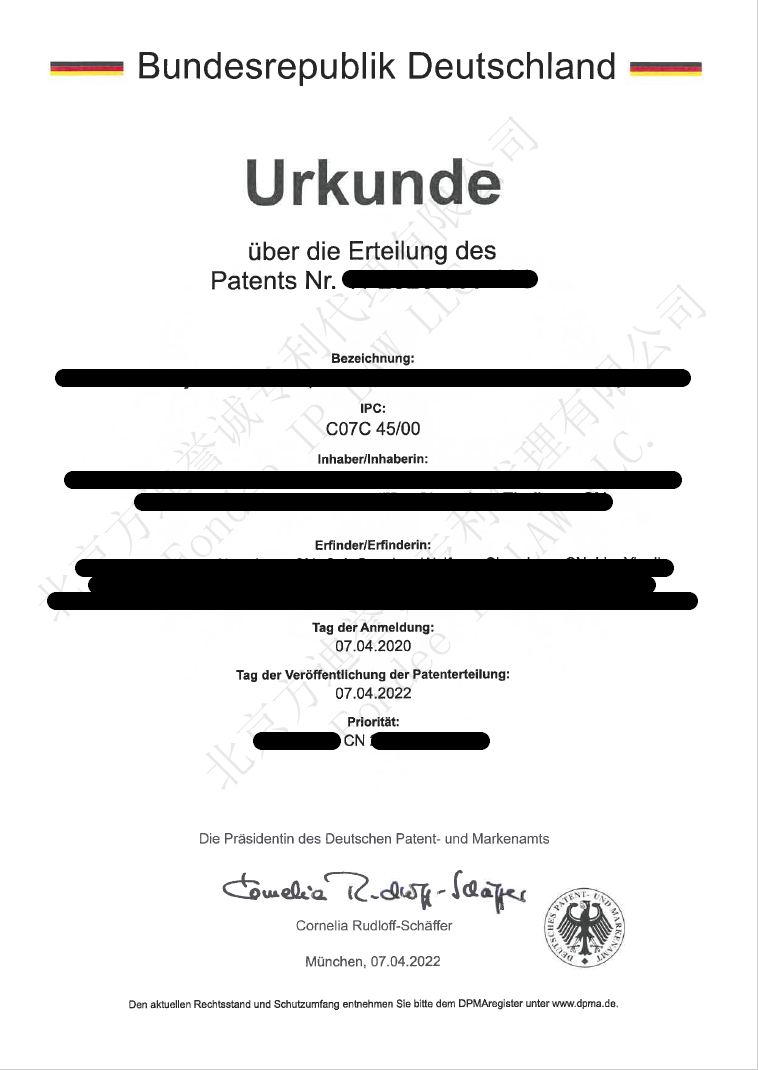
The German Patent and Trade Mark Office (DPMA) is the largest and most active national intellectual property office in Europe. The German national patent system offers two primary types of protection: invention patents with a 20-year term, and utility models with a maximum term of 10 years. Substantive examination for German invention patents is highly rigorous, with standards for patentability, novelty, and inventive step closely mirroring those of the EPO.
The German utility model, often referred to as a "petty patent," holds significant strategic value. Unlike invention patents, utility models operate on a registration system without substantive examination, allowing for remarkably rapid grant—often within a few months of filing. More uniquely, German utility models benefit from a 6-month statutory grace period and apply a slightly narrower definition of prior art (for instance, public use or oral disclosure outside Germany does not constitute prior art). These attributes make the utility model an exceptionally powerful tool for rapidly securing enforceable rights, especially when facing imminent infringement. However, it is important to note that methods are strictly excluded from utility model protection.
The most influential feature of the German patent system globally is its "Bifurcation System" in judicial litigation. Under this framework, proceedings for patent infringement and patent invalidity (revocation) are strictly separated and handled by different courts. Infringement actions fall under the exclusive jurisdiction of specialized regional courts (such as those in Düsseldorf, Munich, and Mannheim). Because the judges in these courts are highly specialized and do not rule on validity issues, infringement proceedings progress very swiftly, cementing Germany's reputation as a highly pro-patentee jurisdiction. Concurrently, challenges to a patent's validity fall under the exclusive jurisdiction of the Federal Patent Court (BPatG). Furthermore, Germany enforces the highly stringent Employee Invention Act (ArbnErfG), which explicitly dictates the statutory procedures employers must follow to claim ownership of employee inventions and mandates the payment of reasonable remuneration based on a highly structured calculation mechanism.