

Luxembourg
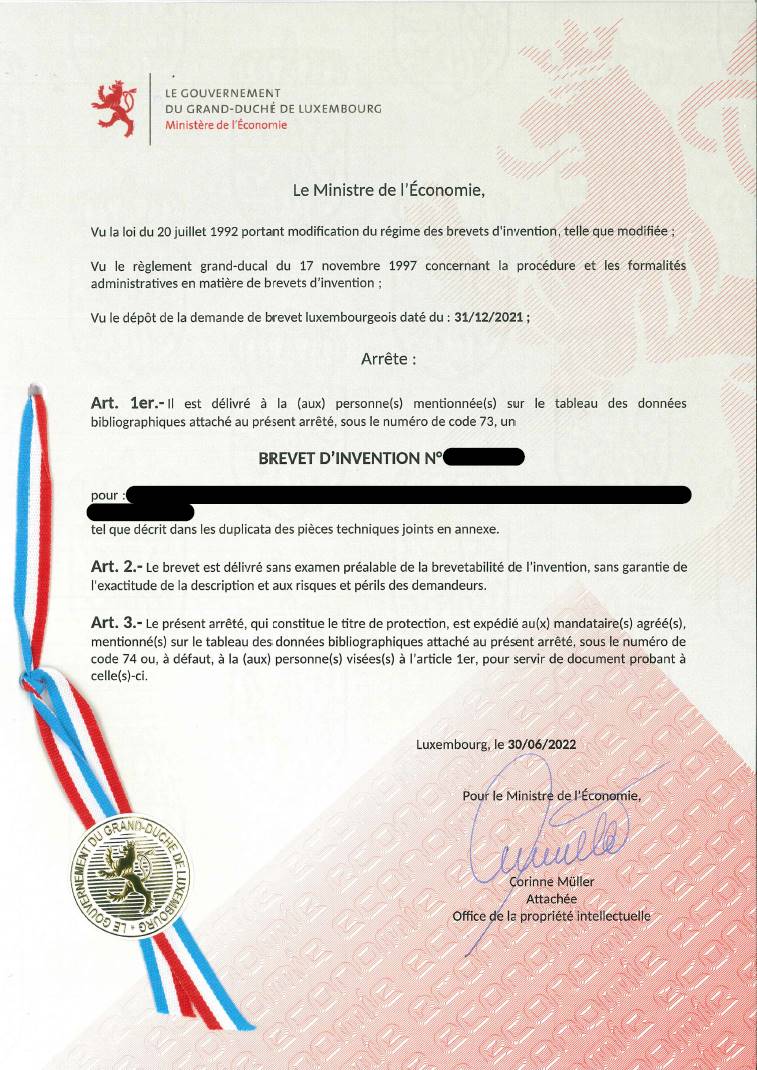
The Luxembourg Intellectual Property Office (OPI) is responsible for patent administration in Luxembourg. Although Luxembourg is geographically small, it occupies an exceptionally important strategic position in global finance, tax structuring, and intellectual property asset management. The domestic system mainly provides invention patents with a 20-year term, and its most distinctive feature is that it does not carry out a full EPO-style substantive examination before grant. Instead, it relies heavily on search reports and opinions prepared by the European Patent Office (EPO) or other recognised international search authorities. As a result, the legal robustness of a Luxembourg national patent is often tested later in commercial transactions, licensing, or litigation rather than being fully screened during grant proceedings.
Because Luxembourg is a founding member of the European Patent Convention (EPC), most applicants seeking high-value protection tend to prefer the EPO route and then validate the granted European patent in Luxembourg (or request unitary effect where appropriate). In practice, Luxembourg national patents are often more useful as part of cost-management, priority-filing, or regional portfolio strategies than as the primary vehicle for major cross-border enforcement.
Within the broader IP framework, Luxembourg's real attraction for patentees often lies not in its domestic grant procedure as such, but in its highly competitive IP tax regime. Under Luxembourg's tax rules, qualifying net income derived from eligible patents, utility models, and copyrighted software may benefit from substantial tax advantages, which has long made Luxembourg an attractive jurisdiction for multinational groups establishing IP holding structures, centralising patent ownership, and conducting licensing operations. In addition, the Court of Appeal and permanent Registry of the Unified Patent Court (UPC) are located in Luxembourg, reinforcing its institutional importance in the European patent judiciary.