

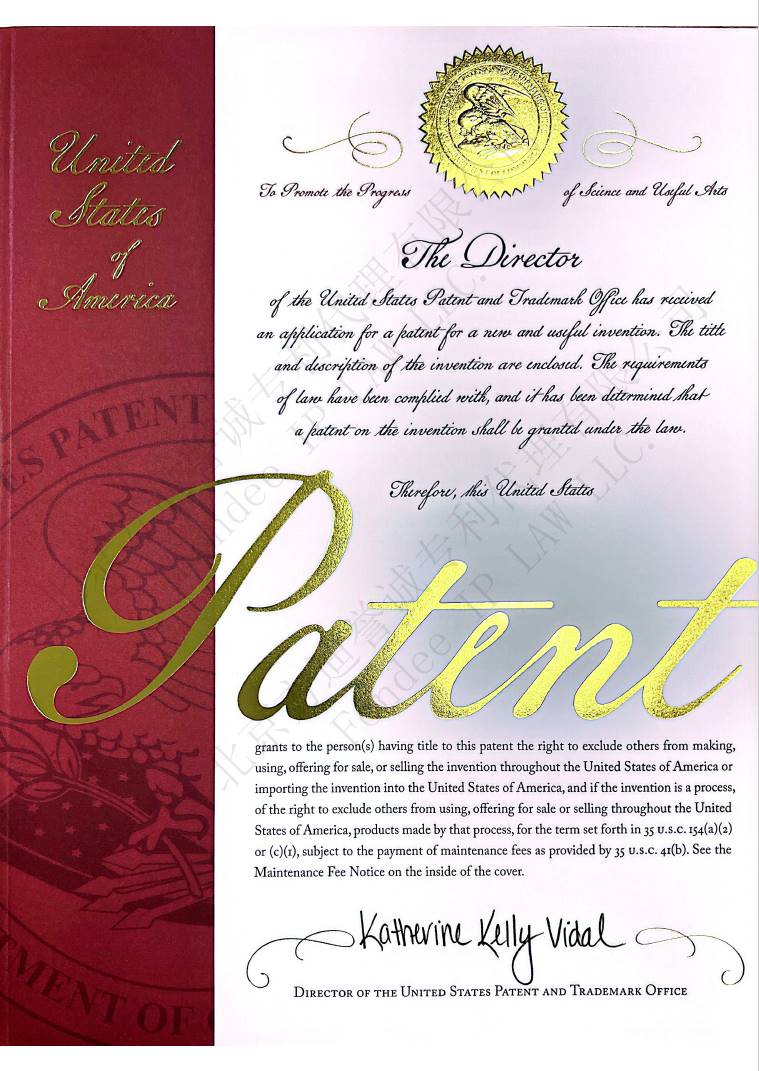
United States
The United States Patent and Trademark Office (USPTO) is one of the most influential and highly utilized patent offices globally. The US patent system provides three types of protection: Utility Patents (covering inventions, with a 20-year term), Design Patents (15-year term), and Plant Patents. It is crucial to clarify that a US "Utility Patent" is a standard examined invention patent; the US does not have a non-examined "utility model" system like Germany or China. Following the enactment of the Leahy-Smith America Invents Act (AIA), fully implemented in 2013, the US transitioned from its traditional "first-to-invent" system to the internationally standard "first-inventor-to-file" system. Nevertheless, the US retained a highly valuable one-year statutory grace period, meaning an inventor's own public disclosures made within one year prior to the filing date will not destroy the novelty of their application.
During prosecution, the US patent system imposes a globally unique and stringent requirement: the Duty of Disclosure. Applicants and their representatives must proactively submit Information Disclosure Statements (IDS) to apprise the examiner of any known prior art that is materially relevant to patentability. Failure to fulfill this duty with deceptive intent can lead a court to declare the entire patent unenforceable under the doctrine of "inequitable conduct." Regarding subject matter eligibility (particularly software and business methods), following the Supreme Court's Alice decision, the USPTO applies a rigorous two-step test, heavily restricting the patentability of abstract ideas.
The US framework for patent litigation and validity challenges is highly complex and expensive. Infringement lawsuits are initiated in Federal District Courts, with the Court of Appeals for the Federal Circuit (CAFC) in Washington, D.C., holding exclusive jurisdiction over all patent appeals nationwide. The hallmarks of US litigation are its broad discovery process and the potential for substantial damages, including up to treble damages for willful infringement. Furthermore, the AIA established the Patent Trial and Appeal Board (PTAB) within the USPTO, introducing administrative proceedings such as Inter Partes Review (IPR) and Post-Grant Review (PGR). The IPR process, being significantly cheaper than district court litigation and applying a standard that is often more favorable to challengers, has become the primary weapon of choice for defendants seeking to invalidate asserted patents.